Choosing the Correct Bed Bug Exterminator: What You Must Know
Finding the ideal bed bug exterminator is vital for successful pest control. Several factors affect the selection process, including skills and treatment techniques. Knowing the signs of an infestation is the starting point. Nevertheless, not every exterminator is equal. Identifying the key qualities that distinguish a competent professional can make a significant difference. What should one consider when selecting the best expert for this difficult task?
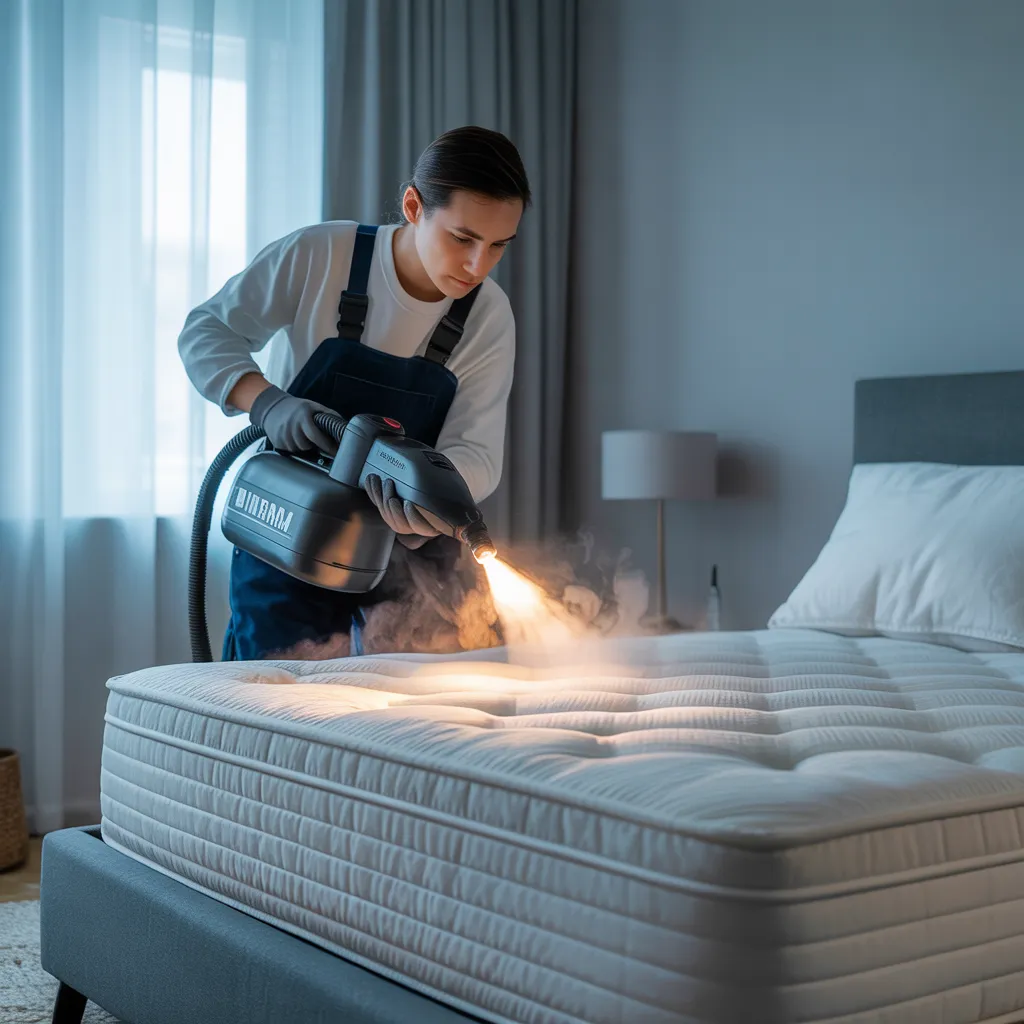
Signals of a Bed Bug Outbreak
Recognizing the symptoms of a bed bug infestation is important for timely response. These pests are notoriously elusive, making early detection paramount. Common indicators include tiny rust-colored spots on bed linens or mattresses, which are often the consequence of crushed bugs. Additionally, black specks of excrement may be found on surfaces where bed bugs hide, such as seams of mattresses, bed frames, and furniture.
Another obvious sign is the existence of shed exoskeletons, as bed bugs shed their skin several times during their life cycle. Individuals may also experience mysterious bites, typically showing up in clusters or lines on exposed skin. These bites can cause irritation and discomfort, leading to further investigation. Overall, identifying these signs can help residents take immediate action, lowering the chance of a larger infestation and ensuring a more effective response. Understanding of these symptoms is the first step in managing bed bug issues effectively.
Why You Need a Professional Exterminator
When confronting a bed bug invasion, hiring a professional exterminator is crucial for successful elimination. Their knowledge in pest control guarantees a thorough understanding of the problem and the most suitable treatment methods. Additionally, professionals employ secure treatment options that reduce hazards to both occupants and the environment.
Specialization In Pest Control
A competent pest control professional delivers vital proficiencies for addressing bed bug infestations. Their training provides them with an awareness of bed bug behavior, life cycles, and successful methods for eradication. Professionals are skilled at identifying signs of infestations that may go unnoticed by untrained individuals. They also have access to custom tools and treatments unavailable to the general public, providing a more effective approach. Moreover, expert exterminators can evaluate infestation extent and advise on individualized strategies that lower the risk of re-infestation. By relying on their expertise, homeowners can save time, reduce stress, and achieve long-term results, making a professional exterminator an essential partner in the battle against bed bugs.
Reliable Treatment Resources
Ensuring protection during bed bug treatments is essential, and expert pest control specialists are trained to execute safe and efficient techniques. They employ Integrated Pest Management (IPM) strategies, which focus on reducing hazards to humans and pets while successfully eliminating infestations. Professional exterminators have access to advanced tools and products that are not available to the general public, allowing for precise treatments that reduce chemical exposure. Additionally, they are knowledgeable about the life cycle of bed bugs, ensuring that treatments are scheduled and performed properly for maximum efficiency. By depending on professionals, homeowners can avoid the dangers associated with DIY methods, which may lead to partial elimination or harmful chemical exposure. Safe treatment solutions ultimately provide peace of mind and a pest-free environment.
Important Aspects of a Reliable Bed Bug Service Provider
Locating a skilled bed bug professional depends on several key attributes that result in positive pest control. To begin, a detailed understanding of bed bug biology and characteristics is critical, allowing the exterminator to determine pest levels accurately and develop focused treatment plans. Background in the field is another important quality; veteran professionals are usually familiar with various treatment methods and can respond to distinctive situations.
Moreover, a commitment to using risk-free and environmentally friendly techniques exemplifies trustworthiness and dedication for clients’ well-being. Solid communication skills are important as well, allowing the exterminator to communicate procedures accurately and address client concerns effectively. Finally, a reputable exterminator should have positive reviews and testimonials, reflecting their reliability and effectiveness. Collectively, these qualities guarantee that the exterminator can oversee bed bug infestations efficiently, providing peace of mind to homeowners faced with this challenging pest problem.
Critical Questions to Mention to Your Exterminator?
What essential inquiries should property owners ask to their pest control specialist when addressing a bed bug infestation? First, inquire about the company's expertise specifically with bed bugs. Comprehending their track record can provide assurance in their abilities. Next, homeowners should inquire about the techniques they plan to use for pest control, ensuring they are safe for both people and pets. It is also crucial to discuss the duration of the treatment process and what homeowners can expect at each stage. Property owners should request details about follow-up visits and guarantees to verify complete eradication. Additionally, asking about any required preparations before treatment can help simplify the procedure. Finally, homeowners should confirm the total cost and any possible additional charges. By tackling these inquiries, property owners can make informed choices and choose an pest control specialist who fulfills their particular requirements for successfully tackling bed bug problems.
Best Pest Treatment Approaches
Multiple effective bed bug treatment methods exist, each catering to different infestation levels and homeowner choices. Heat treatment is a widely-used method, requiring raising the temperature of infested areas to a lethal level for bed bugs, guaranteeing complete eradication without chemical exposure. Chemical treatments, including insecticides, can also be successful, often requiring multiple applications to attain desired results.
An alternative method is vacuuming, which can be utilized to physically remove bed bugs from mattresses, carpets, and crevices. Complementing this with steam cleaning can boost effectiveness, as high temperatures destroy discover details on bugs and their eggs on contact.
Some homeowners consider diatomaceous earth, a natural powder that dehydrates bed bugs upon contact. Comprehensive pest control integrates various methods for a complete solution, emphasizing prevention and observation. Selecting the right method relies on the extent of the infestation and individual preferences regarding chemicals and environmental concerns.
Grasping Bedbug Pest Control Charges
Grasping the costs connected with bed bug extermination requires several key considerations. These include the specific pest control approaches employed, the frequency of necessary services, and the extent of the infestation. By examining these elements, individuals can better predict their financial commitment to successful pest management.
Aspects Shaping Cost
Determining the cost of bed bug extermination involves multiple critical considerations that can greatly influence the total expense. The severity of the outbreak is paramount; larger or more advanced infestations typically require more extensive treatments. The area of the space needing attention also plays a significant role, as bigger locations will incur higher expenses. Geographic position can affect costs, with urban areas often commanding higher rates due to heightened interest. Additionally, the approach of extermination methods employed—such as heat treatment versus chemical solutions—can vary in expense. Ultimately, the credentials and reputation of the exterminator can also influence the expense, as more established professionals may levy premium pricing for their services.
Treatment Methods Comparison
The decision of treatment method largely impacts the overall price of bed bug extermination. Common methods include chemical treatments, heat treatments, and fumigation. Chemical treatments are often less costly but may need multiple applications, raising long-term expenses. Heat treatments, while typically more costly initially, can successfully eliminate all life stages in one session, possibly reducing follow-up costs. Fumigation is the most thorough method but has the highest cost, as it demands vacating the premises and the use of specialized equipment. The choice of treatment should weigh not only immediate costs but also efficiency and chances of re-infestation, ultimately affecting the total expenditure for the homeowner.
Frequency of Pest Removal
The regularity of extermination is fundamental in determining the ultimate expenses connected to bed bug remediation. Periodic treatments could be vital, especially within serious bed bug circumstances, which can significantly magnify financial burden. Regularly, a single appointment may prove inadequate; successive treatments are ordinarily essential to achieve total elimination. The period between extermination sessions typically measures two weeks to a month, determined by the severity level of bed bug presence and the processes deployed. Homeowners should equally contemplate the threat of bed bugs recurring, which can entail ancillary treatments. Therefore, comprehending extermination frequency can support residents to plan finances judiciously and appoint pest management firms that furnish candid and comprehensive rate schedules for their work.
Strategies for maintaining a Bed Bug-Free Home
Many residents breathe easy after successfully eradicating bed bugs, yet preserving a bed bug-free home requires constant monitoring and prevention methods. Regular inspections of bedrooms, furnishings, and luggage are crucial to identify any potential infestations early. Homeowners should also acquire protective covers to prevent bed bugs from accessing their sleeping surfaces.
Decluttering residential areas reduces hiding spots, while vacuuming on a regular basis, especially in cracks and crevices, helps eliminate any stray bugs or eggs. Maintaining cleanliness by cleaning bedding and linens in hot water every week decreases the risk of reinfestation.
Additionally, taking precautions when traveling—checking hotel rooms and storing luggage off the floor—can avoid transporting bed bugs home. By establishing these preventive approaches, homeowners can sustain their insect-free status and ensure a comfortable, peaceful living environment.
Commonly Asked Questions
How much time Does a Bedbug Extermination Process Usually Take?
Usually, the lice extermination procedure demands one to three treatments across several weeks. Factors such as infestation level, treatment method, and property size can influence the overall duration and effectiveness of the procedure.
Are Bed Bugs Able to Survive Cold Temperatures?
Bed bugs can endure chilly conditions, especially if conditions are over 32°F. However, extended contact to severe freezing temperatures, under 0°F (-18°C), can effectively kill them, provided the contact lasts long enough.
Do bed bugs possess resistance to specific pest management products?
Yes, bed bugs can build resistance to certain pesticides over the years. This resistance interferes with eradication efforts, necessitating the deployment of multiple treatment strategies and products to effectively manage and wipe out infestations.
Will I need to leave My Home During therapy?
In the course of the process, it is often recommended to depart the home to ensure effectiveness and safety. Exterminators may suggest a temporary absence, usually ranging from a few hours through several days, according to the approaches utilized.
How Can I Stop Future Infestations After Extermination?
To prevent future infestations, one should regularly inspect furniture and bedding, seal cracks, reduce clutter, and sustain hygiene. Additionally, protecting mattresses and deploying tracking traps can effectively deter bed bugs from reestablishing themselves.